Book and arrive prepared
ParkFlow demonstrates a path for choosing an outing, planning a group visit and checking in with the details together.

A customer experience app gives someone a useful place to do the work that happens after they discover a business. It is not a brochure with more buttons. It is a focused path for a booking, request, check-in, approval or return visit.
Explore live Experience AppsSee six live examplesWritten by Corey Gray, founder of Launch Automation. Reviewed November 23, 2026.
Use a website to explain what you do and help someone choose a next step. Use an experience app when that next step has work inside it. The app should make one recurring customer task clearer for the customer and for the team that receives it.
ParkFlow demonstrates a path for choosing an outing, planning a group visit and checking in with the details together.
RelayHome demonstrates a request that passes the right context from customer intake to dispatch and the person doing the work.
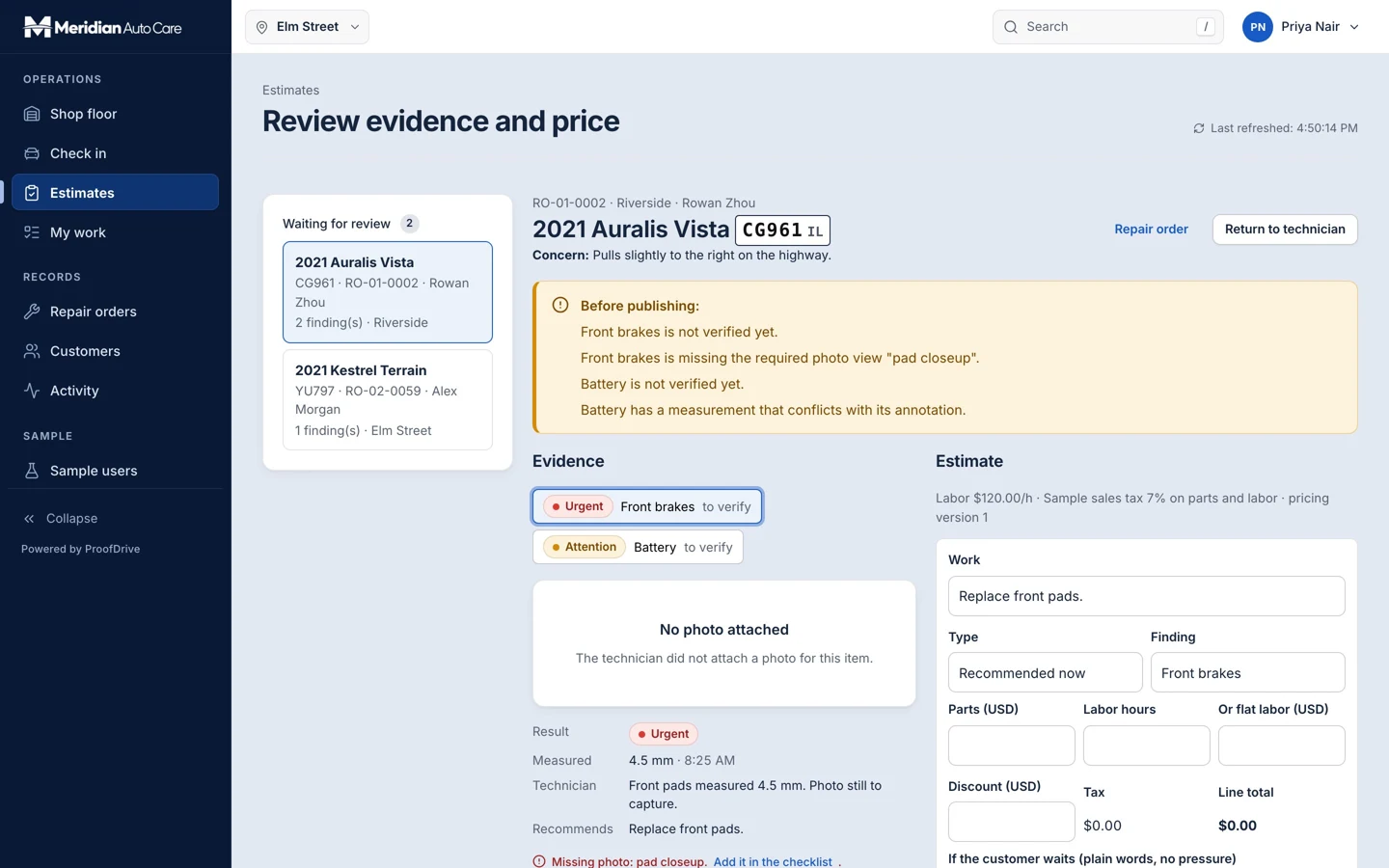
ProofDrive demonstrates inspection evidence, repair choices and a clear approval record rather than a vague status call. The digital vehicle inspection guide explains how that approval handoff works.
PolishSuite shows a guest browsing shades and sending a request from their station while the front desk coordinates the visit. See how a digital nail color chart can help a salon organize that choice.
TeePilot shows golfers ordering refreshments with their location and staff receiving the request on a shared board. The golf course ordering guide walks through that handoff.
Choose a custom website when people need to understand your offer, trust the business and contact you or request a quote.
Choose an Experience App when customers need to complete a task after discovery, and your team needs that task to arrive with useful context.
Choose a membership platform when people need a place to return for lessons, resources, community activity or member workspaces.
Choose an AI command center when the work is mainly inside the business, bringing records and approvals together for a team.
Look for the moment where a customer calls to ask for a status, repeats a detail to another person or cannot tell what should happen next.
Write what the customer sees, what the team receives and what happens if the request is incomplete. That is a better first scope than a list of features.
Ask a real person to complete the journey on a phone without coaching. Improve the unclear handoff before adding more screens or automation.
Launch Automation Experience Apps start at $497 per month. The quote depends on the customer journey, staff roles, integrations and features you need. Compare first-year charges and ongoing support in the custom web app cost guide. Explore the live apps to find a starting point, then request a quote for your scope.
AI can summarize approved context, request a missing detail or help a staff member find a record. It should not promise prices, availability, access, safety or an outcome on its own. Keep a person responsible for the customer promise and test what the app does when information is missing.
A customer experience app gives a customer a useful place to complete work after they discover a business. It can help them book, check in, request service, review an approval or follow a return path.
No. A website helps people understand an offer and decide on a next step. A customer experience app helps them complete a task after that decision.
Start when a frequent customer task creates repeated calls, missed details or a handoff that staff have to repair. Build the first version around one visible task and test it with customers before adding more features.
AI can organize an incoming request, summarize approved context, ask for a missing detail or help staff find a record. A person should approve decisions about price, availability, access, safety or a customer promise.